Frostbite in Cold Storage: Can Blast Freezers, Refrigerants, Dry Ice, Liquid Nitrogen and Ice Cause Frostbite?
What Is Frostbite?
Frostbite is a cold related injury that occurs when body tissue is exposed to sufficiently low temperatures for long enough that the tissue begins to freeze.
It most commonly affects exposed areas such as the fingers, toes, ears, nose, cheeks and chin. Severe cold can cause ice crystals to form within and around cells, damaging tissue and reducing blood flow.
Frostbite should not be confused with simply feeling cold.
A person can work in a cold environment and experience discomfort, numbness or cold stress without necessarily developing frostbite. Frostbite occurs when the tissue itself becomes sufficiently cold that freezing injury develops.
Whether the affected body part has adequate blood circulation
Can You Get Frostbite Inside an Ultra-Cold Storage Room?
Yes, frostbite is possible in an ultra-cold storage environment.
The risk depends on the actual temperature and how long the person is exposed.
A conventional chilled cold room operating around +2°C to +8°C is not normally cold enough to freeze human tissue under ordinary circumstances. However, freezer rooms operating below 0°C present a progressively greater cold-injury risk.
Very low-temperature storage rooms and industrial freezers can create particularly hazardous conditions. A person working inside such an environment for an extended period may develop cold injury, especially if protective clothing is inadequate.
The situation becomes more serious when the storage temperature is far below the freezing point of water.
🥶
Frostbite at -40°C - Body Damage
Full Body + Vital Organs Timeline - Safety Education
⚠️ Educational - At -40°C frostbite starts in 10 minutes. Cover all skin, no exposed flesh, limit time outside, warm core first.
Solar Powered Ice Block Making Machine Price List.
S/N
CAPACITY
Product: Solar Powered Ice Block Making Machine
Total Cost: Ice Block Making Machine + Solar Power System
1
12
BLOCKS
₦5,950,000
2
20
BLOCKS
₦9,990,000
3
25
BLOCKS
₦12,970,000
4
30
BLOCKS
₦16,350,000
5
50
BLOCKS
₦36,980,000
6
100
BLOCKS
₦49,790,000
7
200
BLOCKS
₦54,670,000
8
250
BLOCKS
₦58,410,000
9
300
BLOCKS
₦63,440,000
10
400
BLOCKS
₦72,840,000
11
500
BLOCKS
₦98,920,000
12
1000
BLOCKS
₦182,400,000
13
1200
BLOCKS
₦190,920,000
14
1500
BLOCKS
₦238,880,000
15
2000
BLOCKS
₦250,900,000
Request for an official quotation.
If you are searching for:
Ice block making machine price list
Ice block making machine price list in Nigeria
Commercial ice block making machine price list
Industrial ice block making machine price list
Small ice block making machine price list
Large ice block making machine price list
you are in the right place.
Why exposure time matters
Frostbite is not determined by temperature alone.
For example, briefly entering a freezer room at a sub-zero temperature is not necessarily equivalent to spending a prolonged period working inside it. The colder the environment and the longer the exposure, the greater the potential for tissue injury.
Moisture can also increase the danger because wet skin loses heat rapidly.
Can a Blast Freezer Cause Frostbite?
Yes. A blast freezer can create conditions capable of causing frostbite.
Blast freezers are specifically designed to remove heat from products rapidly. Depending on the system and application, the air temperature can be substantially below 0°C.
The danger is not that the blast freezer automatically causes frostbite the instant a person enters it. Rather, the combination of very low temperature, exposure time and direct contact with extremely cold surfaces or products can cause cold injury.
A blast freezer can also have strong air circulation. Moving cold air can increase heat loss from exposed skin.
Why blast-freezer workers need protection
Personnel who must enter or work around low-temperature freezer environments should use appropriate cold-protection equipment and follow workplace safety procedures.
Protection may include:
Insulated cold-room clothing
Thermal gloves
Insulated safety footwear
Head and ear protection
Appropriate eye protection
Limiting exposure time
Suitable access and emergency procedures
Workers should not rely solely on ordinary clothing when working in extremely low-temperature environments.
Can Direct Contact With Refrigerant Gas Cause Frostbite?
Yes, direct contact with certain refrigerants can cause a frostbite-type cold injury.
This is different from simply being in a refrigerated room.
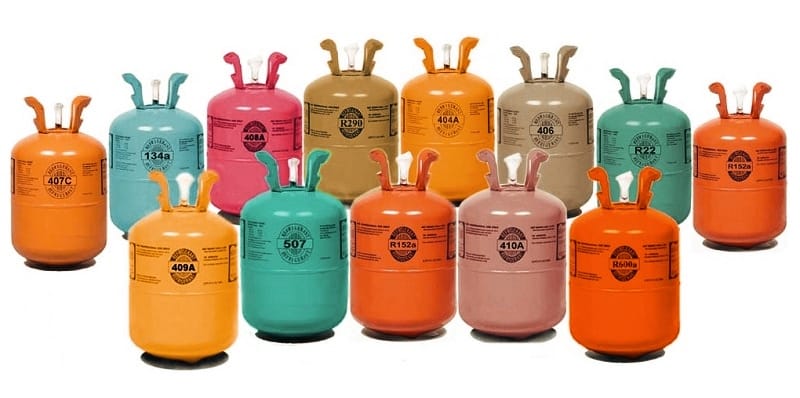
When a refrigerant is released from a pressurized system, the refrigerant can undergo rapid expansion and cooling. If liquid refrigerant or very cold refrigerant discharge contacts the skin, it can rapidly remove heat from the tissue.
This can cause cold burns or frostbite-like tissue injury.
The risk is particularly serious when refrigerant escapes through:
A leaking valve
A damaged pipe
A refrigeration service connection
A broken hose
A cylinder or container
A system component under pressure
Why liquid refrigerant is particularly dangerous
Refrigeration systems can contain refrigerant under pressure. When liquid refrigerant escapes into a lower-pressure environment, it can evaporate rapidly.
That phase change requires energy. Heat is taken from the surrounding environment, including the skin if direct contact occurs.
Consequently, a refrigerant leak can cause severe cold injury even though the person may only have been exposed for a short time.
Never deliberately place your hand near or directly into a refrigerant discharge to test whether a system is leaking.
Refrigerant exposure can also present other hazards depending on the refrigerant involved, including oxygen displacement, toxicity or decomposition products.
Can Dry Ice Cause Frostbite?
Yes. Dry ice can cause frostbite and severe cold injury.
Dry ice is solid carbon dioxide (CO₂) and has a temperature of approximately −78.5°C at atmospheric pressure.
That is far below the freezing point of water.
Directly holding dry ice with bare skin can rapidly remove heat from the skin and potentially cause a cold burn or frostbite.
The danger is not limited to prolonged contact. Direct contact with such an extremely cold material can cause injury relatively quickly.
Never handle dry ice with bare hands
Appropriate insulated gloves and suitable handling procedures should be used when handling dry ice.
Dry ice also creates a separate hazard because it changes directly from a solid into carbon dioxide gas. In poorly ventilated areas, carbon dioxide can accumulate and create an asphyxiation hazard.
Therefore, dry ice presents both:
A severe cold-contact hazard.
A carbon-dioxide exposure hazard.
Can Liquid Nitrogen Cause Frostbite?
Yes. Liquid nitrogen can cause severe cold injury, including frostbite.
Liquid nitrogen is extremely cold, with a boiling point of approximately −196°C at atmospheric pressure.
Direct skin exposure can cause rapid freezing injury.
Liquid nitrogen should therefore only be handled using appropriate equipment, procedures and training.
Protective measures may include suitable cryogenic gloves, eye and face protection, appropriate containers and adequate ventilation.
Liquid nitrogen is not ordinary “cold water”
The temperature difference between liquid nitrogen and normal ice is enormous.
Ordinary ice is around the melting/freezing point of water, approximately 0°C, while liquid nitrogen is approximately −196°C at atmospheric pressure.
This is why direct contact with liquid nitrogen presents an extreme cryogenic hazard.
Liquid nitrogen can also rapidly expand into nitrogen gas. In an enclosed or poorly ventilated area, this can displace oxygen and create an oxygen-deficiency hazard.
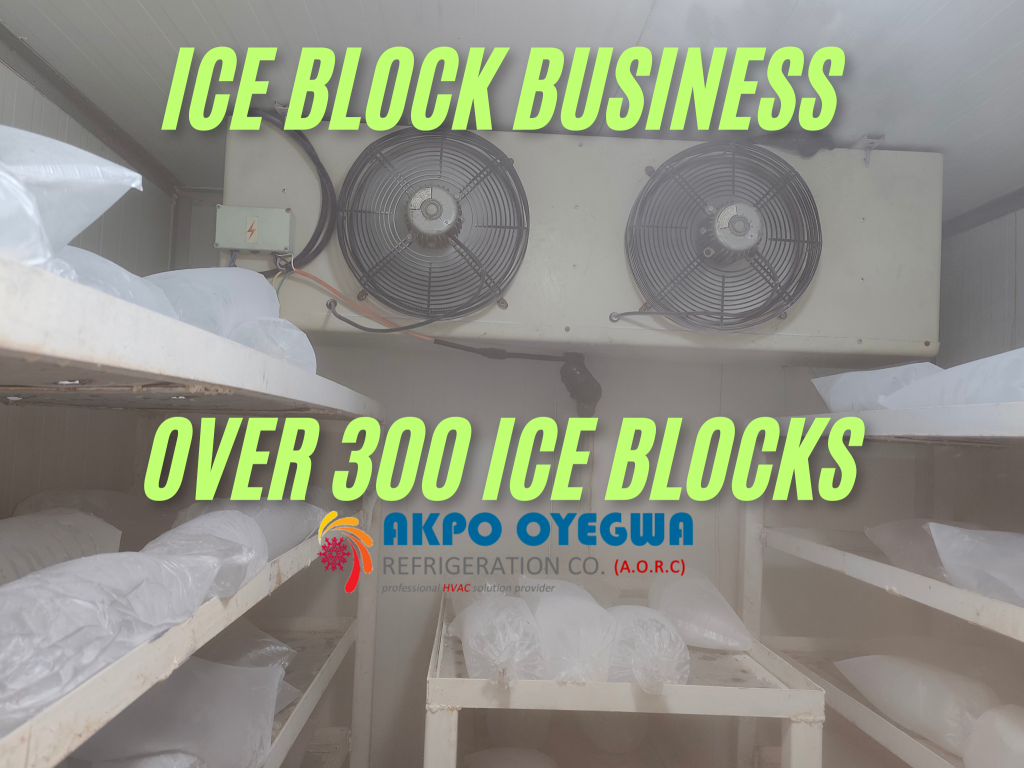
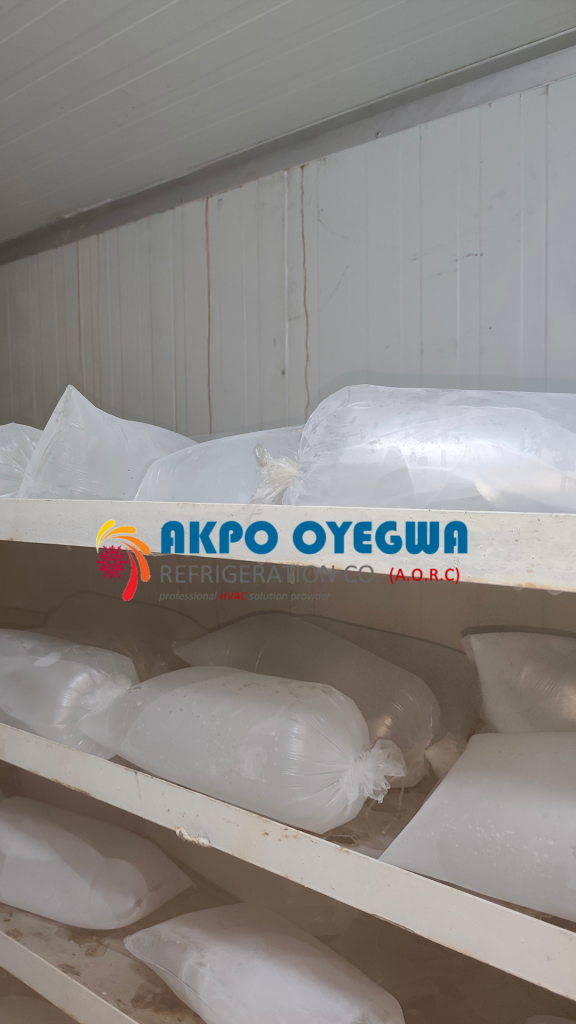
Can Contact With Ice Blocks Cause Frostbite?
Yes, but the circumstances are important.
Ordinary ice is approximately 0°C when it is at its melting point. Direct contact with ice for a prolonged period can cause cold injury, particularly when the skin is wet, pressure is applied or circulation is restricted.
However, the risk from ordinary ice blocks is generally very different from the risk associated with dry ice or liquid nitrogen.
A person briefly touching an ordinary ice block is not automatically going to develop frostbite.
The risk increases with:
Prolonged direct contact
Wet skin
Pressure between the skin and ice
Restricted blood circulation
Very cold ice or frozen products
Exposure of the same area for an extended period
For example, holding an ice block against bare skin for a prolonged period is substantially different from briefly touching it.
What About Frozen Food?
Frozen food can also be cold enough to cause a cold-contact injury under certain circumstances.
A frozen product may be below 0°C, and prolonged contact with bare skin can remove heat from the tissue.
This is particularly relevant to workers handling large quantities of frozen products in:
Cold warehouses
Blast freezers
Frozen-food processing facilities
Refrigerated containers
Industrial freezer rooms
Using suitable gloves and minimizing unnecessary direct skin contact are important precautions.
Frostbite vs. Cold Burn
The terms frostbite and cold burn are sometimes used interchangeably in everyday conversation, but the circumstances can differ.
Frostbite generally refers to tissue freezing caused by exposure to sufficiently cold conditions.
A cold burn or cryogenic burn can occur when extremely cold materials or substances, such as certain refrigerants, dry ice or liquid nitrogen, come into direct contact with tissue.
In practical workplace safety, both situations should be treated seriously because severe cold exposure can cause significant tissue damage.
Early Signs of Frostbite
The initial signs can include:
Skin becoming unusually pale or white
Numbness
Tingling
Burning or aching sensation
Skin becoming hard or waxy
Loss of normal sensation
More severe injury may result in:
Blistering
Swelling
Darkening or discoloration of the skin
Significant tissue damage
A person may not fully appreciate the severity of the injury because numbness can reduce pain sensation.
What Should You Do If Frostbite Is Suspected?
If frostbite or a serious cold injury is suspected, the person should be removed from the cold environment and protected from further exposure.
Do not aggressively rub or massage frozen or numb tissue. Do not use direct high heat, such as a flame, heating element or very hot water, because numb tissue can be burned easily.
Serious, extensive or deep cold injuries require prompt medical evaluation.
Particular caution is required after exposure to liquid refrigerant, dry ice or liquid nitrogen because the injury can be severe even when the affected area initially appears relatively small.
Cold Storage Safety: The Important Difference
Not every cold environment presents the same frostbite risk.
Exposure
Can Cause Frostbite/Cold Injury?
Main Concern
Chilled cold room (+2°C to +8°C)
Generally low frostbite risk
Cold stress and prolonged exposure
Freezer room below 0°C
Yes, depending on exposure
Prolonged cold exposure
Blast freezer
Yes
Very low temperatures and cold air
Frozen products
Yes, with prolonged contact
Direct cold contact
Ice blocks
Possible with prolonged contact
Direct contact and pressure
Refrigerant discharge
Yes
Rapid cooling and possible cryogenic injury
Dry ice (−78.5°C)
Yes
Severe direct-contact cold injury
Liquid nitrogen (−196°C)
Yes
Extreme cryogenic injury
The Key Safety Message
Frostbite is caused by sufficiently severe cold exposure that freezes or seriously damages body tissue.
A person does not have to be standing outside in a snowstorm to suffer a cold injury.
Industrial refrigeration environments can present cold-related hazards, particularly in blast freezers, low-temperature freezer rooms, refrigerated containers and cold-storage facilities.
Direct contact with extremely cold materials or substances can be even more dangerous. Dry ice, liquid nitrogen and certain refrigerant releases can cause severe cold injuries through direct contact.
Ice blocks can also cause cold injury when skin remains in prolonged contact with them, although ordinary ice is considerably warmer than dry ice or liquid nitrogen.
For refrigeration technicians, cold-room workers and anyone handling frozen products, the safest approach is to treat extremely cold equipment, products and substances as potential sources of cold injury and use appropriate personal protective equipment and safe work procedures.
Important Safety Note
This article is intended for general refrigeration and workplace-safety education. It is not a substitute for professional medical advice, emergency treatment or the manufacturer’s safety procedures for a particular refrigerant, cryogenic substance or refrigeration system.
Whether you are planning your first ice production business or expanding an existing operation, Akpo Oyegwa Refrigeration Company is ready to help you achieve long-term success with reliable, energy-efficient, and professionally engineered refrigeration systems.
Take the Next Step
✔ View our latest Ice Block Making Machine Price List
✔ Fill out our Quotation Request Form to receive a customized proposal.
✔ Follow our social media pages for installation projects, customer success stories, maintenance tips, and new product updates.
Our experienced engineers will help you select the ideal machine based on your production capacity, available space, power supply, and investment budget.
Invest in quality equipment today and position your business for years of reliable ice production, lower operating costs, and increased profitability.